
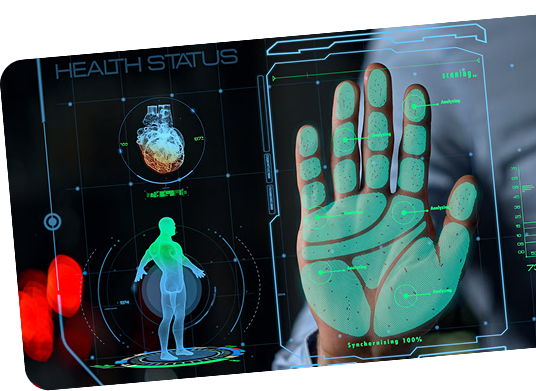
One of the most remarkable developments in medicine in recent years is the integration of artificial intelligence (AI) technologies into diagnosis and treatment processes. Used across a wide spectrum — from image analysis to data pattern recognition — these systems are becoming a powerful tool that supports physicians' decision-making. It is important to note that these technologies are designed not to replace the physician, but to strengthen clinical judgment.
The Role of AI in Image Analysis and Early Diagnosis Support
Deep-learning algorithms can scan patterns in large volumes of visual data — radiology images, pathology slides, dermatoscopic images — far faster than the human eye. These systems act as a second pair of eyes that saves physicians time on tasks such as flagging suspicious lesions, performing a preliminary analysis of abnormal tissue regions, and building prioritization lists.
- Pre-screening and prioritization: Surfacing images that may require urgent evaluation.
- Pattern comparison: Models trained on large data sets being able to compare against similar cases.
- Quantitative measurement support: Standardized reporting of measurements such as lesion size or tissue density.
Developments in this area are not limited to radiology; similar support systems are being developed in image-intensive specialties such as pathology, ophthalmology and cardiology. In digital pathology, for example, algorithms working on high-resolution scans of tissue samples are supporting laboratory specialists in detecting cellular-level abnormalities. This spread across multiple specialties shows that AI-powered diagnostic systems have become a general component of the medical imaging ecosystem.
Integration into Clinical Workflow
The value of AI-powered diagnostic tools is measured not only by algorithmic accuracy but also by how seamlessly they integrate into existing clinical workflows. Solutions that work compatibly with hospital information systems, imaging devices and electronic health records deliver real added value to physicians' daily practice. This integration process covers not only the right choice of device and software but also staff training and process adaptation.
The typical roadmap healthcare institutions follow when deploying these systems consists of pilot implementation, performance validation and gradual rollout stages. In the pilot stage, the system is tested in a limited unit or for a specific imaging type, and the results are compared against existing clinical practice. During validation, performance is monitored across different patient populations. Even a system that has passed through these stages, however, must be periodically reassessed according to the characteristics of the clinical environment in which it is deployed, since changes in imaging equipment, patient profile or acquisition protocols can affect algorithm performance.
A Tool That Supports, Not Replaces, Physician Judgment
The most critical principle in the clinical use of AI systems is that these tools are meant to support the physician's clinical reasoning with information — not to replace the final diagnostic and treatment decision. Algorithmic outputs must always be interpreted alongside expert evaluation; the findings the system suggests should be combined with the patient's history and clinical examination findings to reach a final decision.
This approach is also referred to as the "human-in-the-loop" principle, and it forms one of the core frameworks regulatory bodies adopt when approving medical AI software. Training physicians on how to interpret the algorithm's suggestions, when they may disregard them, and how to recognize the system's limitations is an integral component of using these technologies safely and effectively.
Data Security and the Ethical Dimension
The processing of sensitive health data is one of the most important areas of responsibility for AI-powered diagnostic systems. Anonymizing data, protecting it against unauthorized access, and fully complying with relevant regulations (including KVKK and international data-protection standards) are factors that must not be overlooked when integrating these systems into healthcare institutions. Monitoring the risk of algorithmic bias and maintaining transparent validation processes are also core components of ethical use.
The diversity of the data set a model is trained on is decisive in determining whether it can produce reliable results across patient populations of different ages, genders and ethnic backgrounds. A model trained on insufficiently diverse data may show lower accuracy in certain patient groups; for this reason, healthcare institutions and suppliers should carefully review the validation data and performance reports of the AI solutions they select. As a health technology supplier, prioritizing this transparency is a fundamental requirement for protecting both clinical safety and institutional reputation.
Medical technology procurement support is available — get in touch with our expert team.
Contact Us